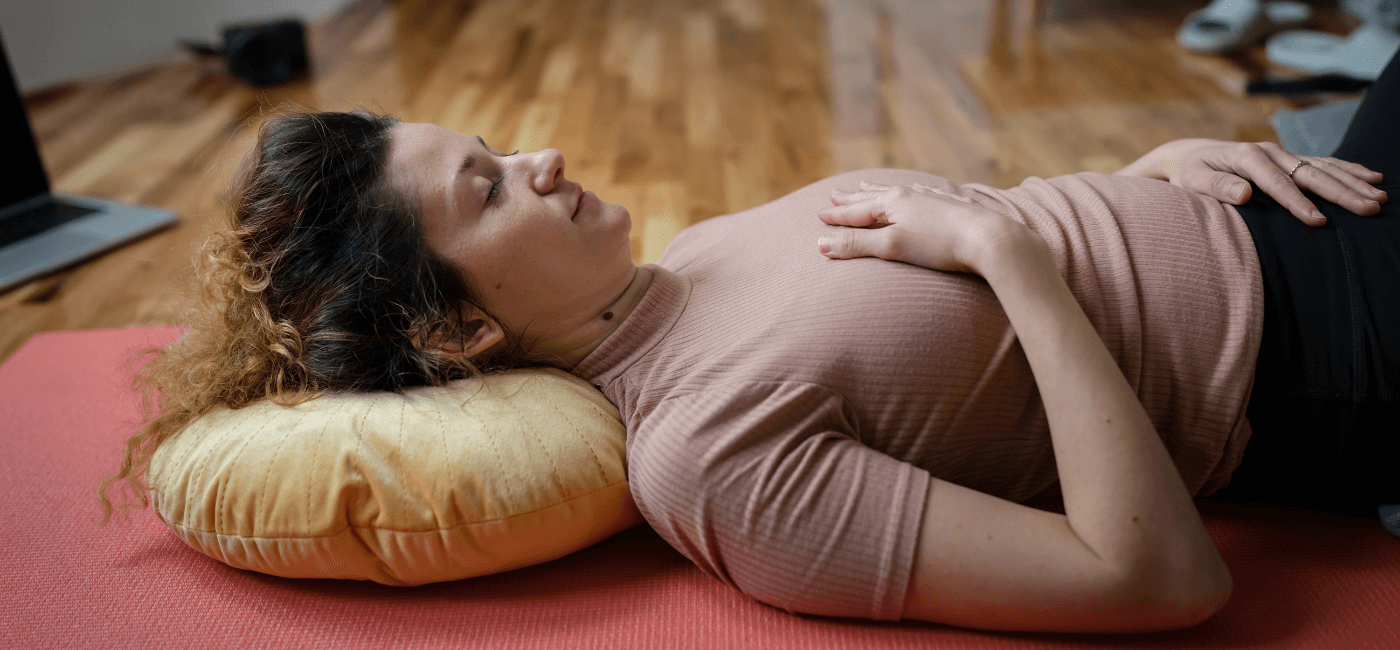
Woven into many cultures and backed by years of wisdom is the practice of “lying in” after having a baby. In Latin cultures this womblike “baby moon” is called la cuarentena—a literal, yet nonabrasive quarantine. In China and Korea, the lying-in is referred to as confinement. In much of Africa, the post-birth period of recovery is accompanied by a series of rituals designed to revere the mother and restore her health.
Forty days is the standard around the world.
The American Expectation to “Bounce Back”
In America, we have great opportunity, a million flashy baby products available for purchase, new and exciting birth options. We lack, however, that reverence for motherhood and the patience required to properly recover.
We all hear that rest and recovery are important after birth—but then we are attached to our phones, our email, our so-called responsibilities. We are anxious to get back in shape, back to Target, back to work. Or our employers are anxious to see us back at work—bright-eyed and superhuman—no visible signs of sleepless nights or leaked breast milk.
We are a damaged society in this way and we know it, but we have a hard time truly conceptualizing the importance of postpartum recovery and furthermore putting it into practice.
The Placenta
Consider the placenta.
The placenta is the only organ spontaneously created and then later expelled. And yet, women and partners and even doctors rarely stop to consider this. The new mother has just lost an organ. If it were a kidney or lung or even the more common appendix, forty days of recovery would seem pretty minimal.
The Hidden Wound
The bloody lochia, or discharge, experienced by women after birth comes primarily from the area where the placenta was attached to the uterus and the wound left in the wake of delivery. Many seasoned mothers do not even know that this is true.
If the placenta wound were on the outside of the new mother’s body rather than hidden within, everyone would be sending her to bed, tucking her in and making her soup. Instead, her employer and older children and spouse become ever-so-slightly impatient for her to bounce back. Wouldn’t she like to go out to dinner? The baby will likely sleep…
The new mother is not only hormonal, exhausted, and emotionally raw—she is working hard to heal a large and weeping wound.
Rest Is Not a Luxury—It’s a Medical Need
In fact, most mothers are discharged with the instruction to get back in bed if bleeding lightens and then once again becomes red or heavy or dark. It is a sign that she is doing too much.
Like a child who refuses—again—to wear kneepads while skateboarding and ends up with a deeper injury, the American woman is impatient when she would benefit most from proactive and preventative recovery. She has a wound and needs to be mindful as to not suffer greater injury.
And while the woman is given the instruction to get back in bed if bleeding worsens, she is not instructed to take a strict period of lying in to begin with. As if the placenta wound were on the outside, the new mother should be sent to bed, tucked in and fed soup.
Support for Your Postpartum Journey
Postpartum recovery isn’t just about physical healing—it’s about emotional and mental well-being too. If you’re struggling with this transition or simply need support, PHA Wellness offers postpartum counseling and resources to help you navigate this period with care and guidance. You don’t have to do this alone. Reach out to learn more about how we can support you.